
Wordle: Fun, Daily Word Challenges Explained
Wordle has become more than just a game—it’s a daily ritual for millions around the world. Its simple concept combined with addictive gameplay makes it a perfect brain teaser for casual players and word enthusiasts alike. Whether you’re a newcomer or a seasoned player, Wordle offers a unique way to challenge your vocabulary and thinking skills.
What Is Wordle?
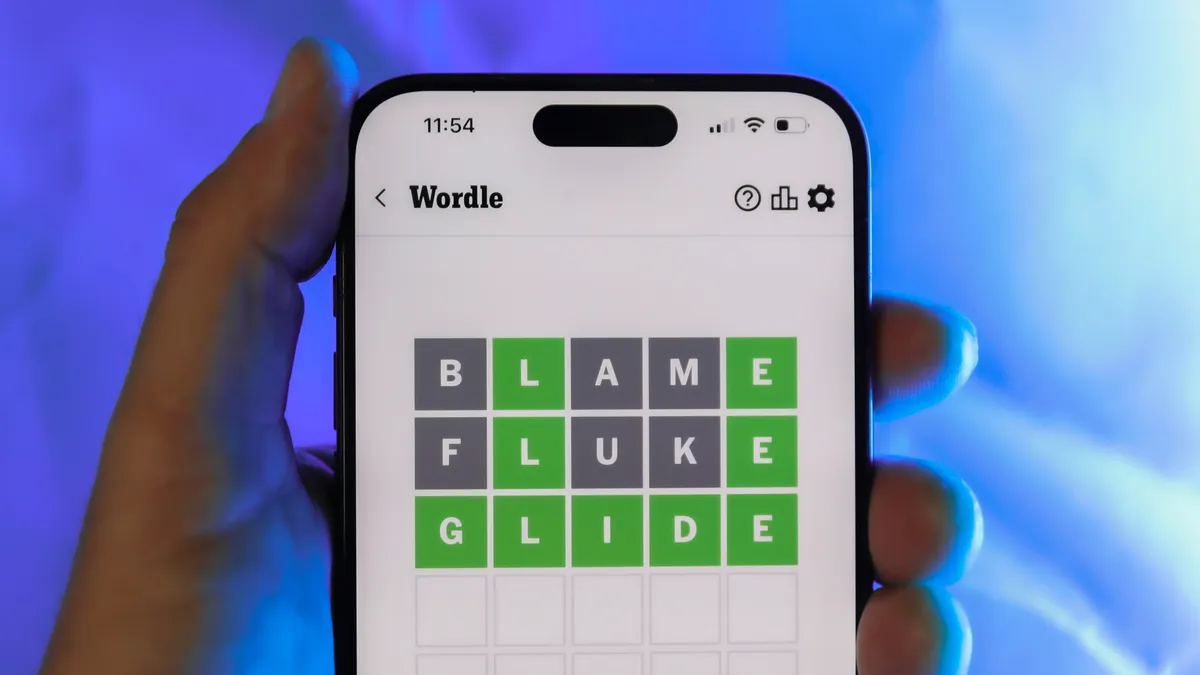
At its core, Wordle is a word-guessing game. Each day, players are presented with a five-letter mystery word and have six attempts to guess it correctly. Feedback is given in the form of colored tiles: green for correct letters in the right position, yellow for correct letters in the wrong position, and gray for letters that aren’t in the word at all.
The game is straightforward yet surprisingly engaging. Unlike many other mobile or browser-based games, Wordle doesn’t rely on flashy graphics or complicated rules—it’s all about words and deduction. This simplicity is part of its massive appeal.
Why Wordle Became a Global Sensation
Several factors contributed to Wordle’s meteoric rise. First, its daily reset creates anticipation and a shared global experience. Everyone starts with the same word, making it fun to compare results with friends or even strangers online. The social sharing aspect, especially on platforms like Twitter, allowed players to share their results without spoilers, fostering a community around this tiny yet powerful game.
Personally, I remember the first time I solved a Wordle in just three guesses—it felt like a small victory, but it stayed with me all day. That’s the subtle brilliance of Wordle: it rewards quick thinking, pattern recognition, and a good vocabulary.
How to Improve Your Wordle Game
Winning at Wordle isn’t just about luck; strategy plays a huge role. Here are some proven tips:
- Start Strong: Use a word with common vowels and consonants to maximize your chances of hitting correct letters.
- Pay Attention to Letter Placement: Green tiles indicate exactly where a letter belongs.
- Eliminate Wisely: Gray letters tell you which letters not to use, narrowing your options.
- Consider Word Patterns: English words follow certain patterns. Use this knowledge to make educated guesses.
Wordle vs. Other Word Games
| Feature | Wordle | Crossword Puzzles | Scrabble |
|---|---|---|---|
| Daily Play | Yes | Varies | No |
| Guessing Limit | 6 | Unlimited | N/A |
| Social Sharing | Built-in | Manual | Manual |
| Difficulty Scaling | Gradual | Variable | Based on opponents |
| Mobile-Friendly | Yes | Yes | Yes |
This table highlights Wordle’s unique blend of simplicity and challenge. Unlike traditional crosswords, which can be intimidating or time-consuming, Wordle is approachable for any skill level. And unlike Scrabble, it doesn’t require opponents or a board—it’s purely a personal challenge.
Practical Benefits of Wordle in Everyday Life
Beyond fun, Wordle can subtly enhance real-world skills. Pattern recognition, spelling, vocabulary expansion, and strategic thinking are all exercised daily. For example, educators have started using Wordle-style exercises to engage students in literacy classes. In corporate settings, it’s a light mental warm-up that encourages problem-solving and analytical thinking before diving into complex tasks.
Variations and Spin-offs
The success of Wordle inspired numerous adaptations. Some focus on math challenges, others on geography, and even pop culture trivia. These variants maintain the core mechanic—guessing with limited attempts—while targeting different interests, expanding the game’s reach and versatility.
Unique Value of Wordle
What sets Wordle apart from other games isn’t just its gameplay—it’s how it fits seamlessly into daily routines. A five-minute challenge each morning can spark conversation, boost mental acuity, and even bring a sense of accomplishment. Its accessibility, minimalistic design, and universal appeal make it a rare example of a digital experience that is both social and intellectually stimulating without feeling overwhelming.
Read More: Educationbeing.com: Flexible Learning for Everyone
Conclusion
Wordle’s charm lies in its elegance: a simple concept, smart feedback system, and daily challenge that unites players worldwide. From casual players seeking a fun distraction to language lovers honing their vocabulary, Wordle offers a small yet meaningful daily accomplishment. Whether you’re guessing letters or strategizing your next move, every Wordle puzzle is an opportunity to learn, engage, and share.
FAQs
Q1: Is Wordle free to play?
Yes, the original Wordle is free and can be played in a web browser daily without downloads.
Q2: How many letters are in each Wordle word?
Every Wordle puzzle uses a five-letter word.
Q3: Can I play Wordle more than once a day?
The official Wordle resets every 24 hours, so players can only solve one puzzle per day.
Q4: Are there Wordle apps for mobile devices?
While Wordle itself is web-based, several unofficial apps exist for mobile users. Always check reviews for credibility.
Q5: Does playing Wordle improve vocabulary?
Yes! Regular play exposes users to new words, encourages pattern recognition, and strengthens spelling skills.



![[pii_email_844c7c48c40fcebbdbbb] Error Code](https://theflixhq.com/wp-content/uploads/2025/01/pii_email_844c7c48c40fcebbdbbb-Error-Code-768x768.webp)