The Enigmatic Boylecheloid Flower
The Boylecheloid Flower has captured the imagination of gardeners, artists, and nature enthusiasts alike. Known for its spiraled petals, vivid color changes, and delicate fragrance, this flower is often described as rare and mystical, blooming only under specific conditions. Stories and myths surrounding Boylecheloid paint it as a symbol of mystery, transformation, and beauty, existing in hidden valleys or remote landscapes.
Despite its vivid portrayal in literature, art, and online communities, the scientific reality of the Boylecheloid Flower is uncertain. Botanists have yet to classify it formally, and it does not appear in any recognized botanical databases. This article explores the origins, myths, symbolic meaning, closest real-world equivalents, and practical ways to bring the essence of Boylecheloid into gardens. By understanding the interplay between myth and reality, we can appreciate why this flower continues to fascinate people worldwide.
Origins of the Name and Myth
The term “Boylecheloid” seems to have emerged from creative storytelling rather than scientific discovery. It combines imaginative elements of rare flowers, spiral structures, and vibrant, shifting colors. Writers, gardeners, and enthusiasts have expanded on the myth over time, describing features like petals that twist in unique patterns, blooms that change color throughout the day, and subtle fragrances that intensify at dusk.
These stories give the flower a sense of magic, even though there is no historical record of it being formally discovered or classified. As a result, Boylecheloid has become more of a cultural or symbolic phenomenon than a verified botanical species.
Is Boylecheloid a Real Flower?
Despite the detailed descriptions circulating online, the Boylecheloid Flower is not recognized in botany. There is no record of it in scientific plant databases, herbarium collections, or plant taxonomy records. Professional botanists confirm that no species exists under this name, and the word does not follow standard Latin nomenclature for plants.
Because of this, the consensus among experts is that Boylecheloid is likely a mythical or symbolic flower, created in folklore, artistic writing, or gardening communities to represent rare and magical qualities in nature.
Physical Description According to Myth
According to popular accounts, the Boylecheloid Flower has the following features:
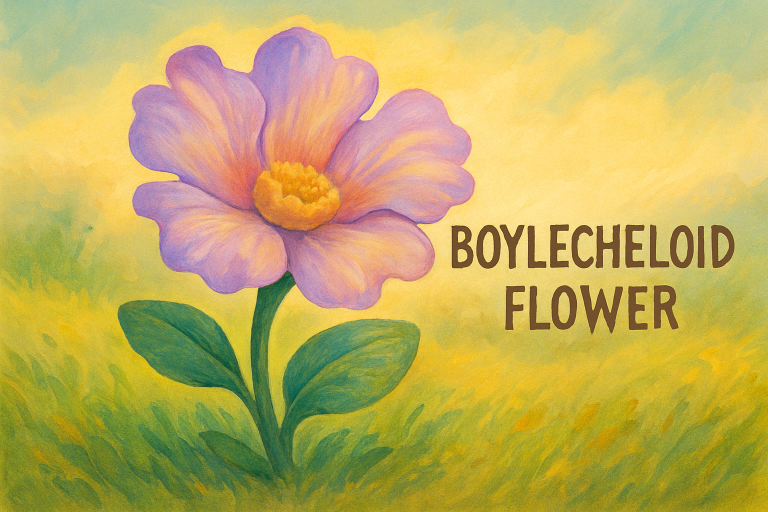
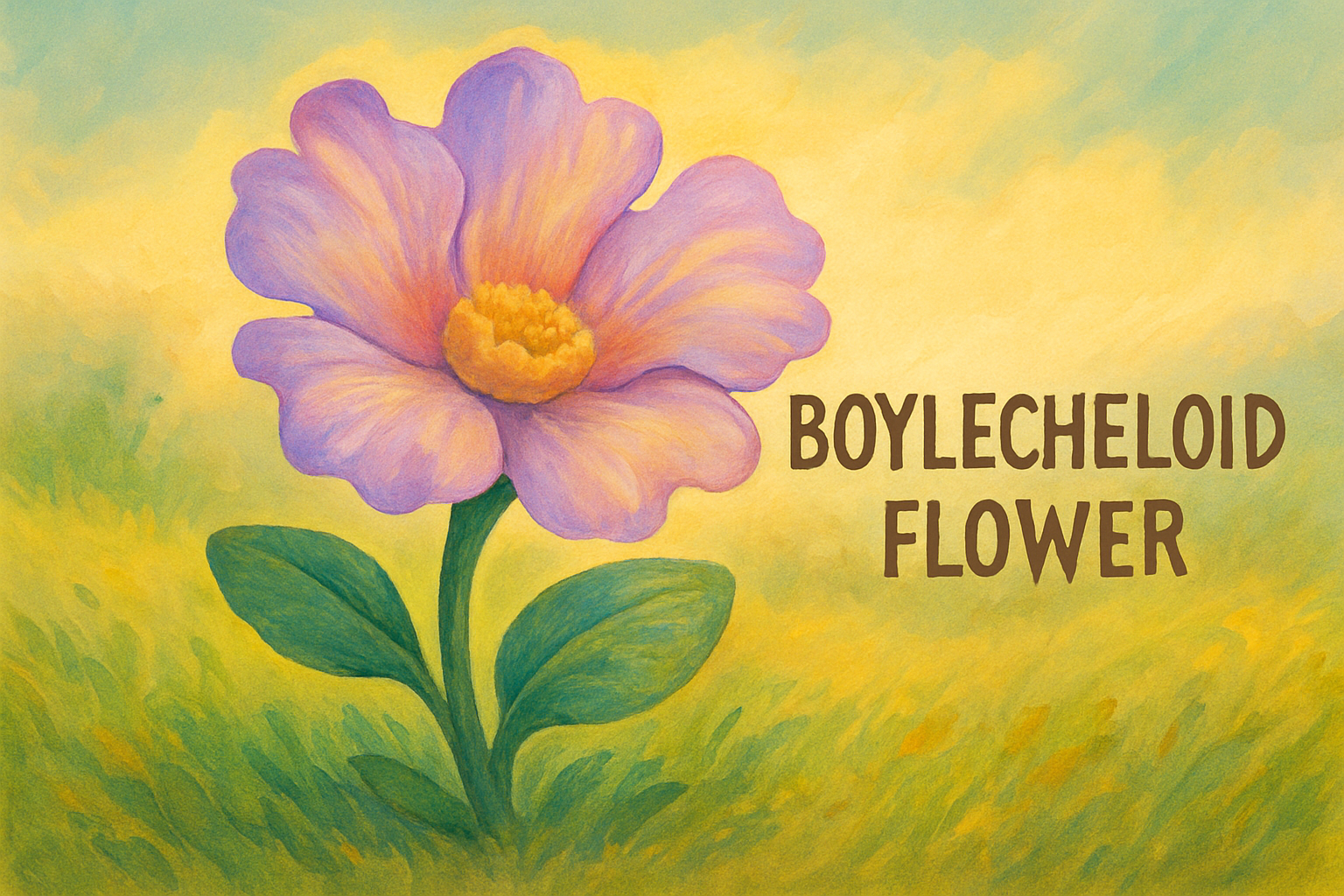
- Spiraled or ridged petals: The petals are described as intricately twisted or ridged, giving the flower a distinctive look that stands out among ordinary blooms.
- Color-changing blooms: Myths describe flowers that shift colors with light or time of day, often transitioning from deep reds to violet or blue hues.
- Subtle fragrance: The flower supposedly emits a gentle scent reminiscent of vanilla, sandalwood, or jasmine, strongest during twilight hours.
- Remote habitats: Legends claim that it grows in secluded valleys or mountains, thriving only in untouched natural environments.
- Rare blooming cycles: Stories suggest the flower blooms only under specific conditions, emphasizing its rarity and allure.
While these traits make Boylecheloid fascinating, none have been observed in a scientifically documented plant.
Closest Real Flower: Cosmos bipinnatus
Though Boylecheloid is likely mythical, its description closely resembles real flowers, particularly Cosmos bipinnatus, also known as the garden cosmos or Mexican aster. Cosmos flowers are widely grown in gardens and are known for:
- Bright, delicate petals in pink, red, white, and purple shades
- Petals that appear airy and soft, sometimes giving the illusion of movement in sunlight
- Long-lasting blooms that attract butterflies and bees
Cosmos may not change colors dramatically like Boylecheloid myths suggest, but its vibrant, graceful appearance evokes the magical qualities described in folklore. Gardeners who wish to experience the spirit of Boylecheloid can use cosmos as a symbolic equivalent.
Symbolism and Cultural Significance
Even without being a real species, the Boylecheloid Flower has taken on symbolic meaning in culture and art. Common interpretations include:
- Mystery: Representing the unseen and the unknown
- Rarity and uniqueness: A symbol of something few ever encounter
- Transformation: Color shifts symbolize personal growth and change
- Resilience: Surviving in remote, challenging habitats
- Inspiration: Encouraging creativity in art, poetry, and storytelling
This symbolic significance allows Boylecheloid to occupy a meaningful place in human imagination, representing qualities that resonate emotionally with people, regardless of its physical existence.
How to Bring Boylecheloid into Your Garden
While you cannot plant a true Boylecheloid Flower, you can emulate its beauty and mystique in your garden with real plants:
- Plant cosmos flowers: Their vibrant petals and delicate structure capture the essence of the mythical flower.
- Add night-blooming fragrant plants: Jasmine, gardenias, or evening primrose can replicate the imagined scent of Boylecheloid.
- Use mixed bloom times: Stagger planting so your garden changes continuously, evoking the illusion of transformation.
- Incorporate height and texture: Dahlias, zinnias, or orchids add dimension to your garden, enhancing its magical feel.
- Create secluded spots: A small hidden nook or enclosed garden area can give your space an air of mystery, mirroring the flower’s legendary habitats.
By combining these elements, gardeners can experience the spirit of Boylecheloid while cultivating real, sustainable blooms.
Myth vs. Reality: Why the Story Persists
The persistence of Boylecheloid myths can be explained by human fascination with rarity, beauty, and mystery. Stories of unusual flowers with magical properties capture attention and inspire creativity. In the digital age, myths spread quickly through blogs, social media, and forums, where people embellish features and create evocative imagery.
Even without physical evidence, the flower continues to influence gardening trends, artistic works, and literary symbolism. Essentially, Boylecheloid exists more powerfully as a concept than as a botanical reality, demonstrating how imagination can sometimes outshine empirical facts in cultural impact.
Read More: ecryptobit.com NFT: Understanding the Platform
Conclusion
The Boylecheloid Flower remains one of nature’s most enchanting myths—a flower of spiraled petals, shifting colors, and delicate fragrance, existing more vividly in imagination than in reality. Despite numerous online accounts and artistic portrayals, no scientific evidence confirms its existence, and it is absent from botanical records. Yet its allure endures because it symbolizes mystery, rarity, transformation, and resilience—qualities that resonate deeply with human creativity and appreciation of beauty.
Gardeners can honor its spirit by planting real flowers, such as Cosmos bipinnatus, night-blooming jasmine, and other vibrant blooms, which evoke the magical qualities described in legends. The Boylecheloid Flower serves as a reminder that the power of a story or symbol often surpasses the necessity of physical verification. Even without a verified presence in the natural world, it inspires imagination, artistic expression, and a deeper connection with the wonder of gardens and nature.
FAQs
1. Is the Boylecheloid Flower a real plant?
No. It is a mythical flower and not recognized in scientific or botanical records.
2. What real flower resembles Boylecheloid?
Cosmos bipinnatus, also known as garden cosmos, closely resembles its color and petal structure.
3. Why do stories describe it changing colors?
Color changes are likely symbolic or poetic exaggerations rather than an observed phenomenon.
4. Can I grow Boylecheloid in my garden?
Not literally, but planting cosmos and other colorful, fragrant flowers can capture its mystical essence.
5. What does Boylecheloid symbolize?
It represents rarity, mystery, transformation, resilience, and artistic inspiration.