
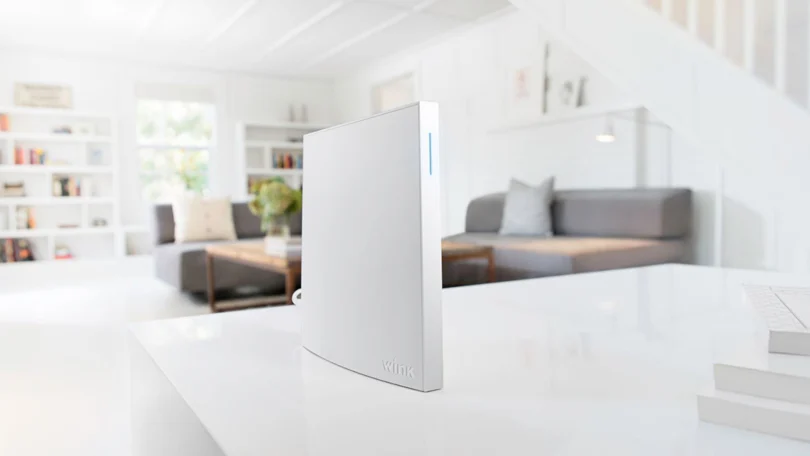
Best Smart Home Hubs for Seamless Automation
Smart homes are no longer a futuristic dream—they’re a reality, and at the heart of every connected home is a smart home hub. These devices allow you to control lights, thermostats, security cameras, and more from one central location, simplifying your life and making your home truly intelligent.
In my experience, moving to a smart hub transformed how I manage daily routines. From turning off all lights with a single voice command to setting up automatic morning routines, the convenience is undeniable.
Why You Need a Smart Home Hub
A smart home hub acts as the central brain for your connected devices. Instead of juggling multiple apps and platforms, a hub unifies them, allowing seamless automation. Beyond convenience, it enhances:
- Security – Receive instant alerts and automate locks or cameras.
- Energy Efficiency – Schedule devices to reduce power consumption.
- Accessibility – Manage devices through voice assistants or mobile apps.
- Integration – Connect a wide range of devices from different brands.
Without a hub, even the most advanced smart devices often operate in silos, which can be frustrating for users looking for a cohesive experience.
How Smart Home Hubs Simplify Everyday Routine
Imagine waking up on a chilly winter morning. Your thermostat has already warmed the house, your coffee maker is brewing, and your lights gently brighten—all before you step out of bed. This is possible with a smart hub coordinating all your devices seamlessly. No app switching, no manual adjustments—just automation working quietly in the background.
Top Smart Home Hubs Compared
Here’s a comparison of some of the most popular hubs to help you decide which one fits your lifestyle:
| Hub | Device Compatibility | Voice Assistant Support | Notable Feature | Price Range |
|---|---|---|---|---|
| Hub A | 200+ devices | Alexa, Google | Zigbee & Z-Wave support | $99–$130 |
| Hub B | 100+ devices | Alexa | Built-in touchscreen | $120–$150 |
| Hub C | 300+ devices | Google, Siri | Advanced automation routines | $150–$180 |
| Hub D | 150+ devices | Alexa, Google | Energy usage tracking | $110–$140 |
This table highlights the diversity of smart home hubs, showing that compatibility, assistant support, and unique features vary significantly. Choosing the right hub depends on your ecosystem, preferred automation level, and budget.
Factors to Consider Before Buying
- Compatibility with Existing Devices: Ensure the hub works with your current smart lights, locks, and appliances.
- Voice Assistant Support: Decide whether Alexa, Google Assistant, Siri, or multiple assistants are essential.
- Automation Capabilities: Some hubs allow simple on/off controls, while others support complex routines.
- Connectivity Standards: Look for Zigbee, Z-Wave, or Wi-Fi support depending on your devices.
- Scalability: Your hub should support future expansions without needing replacements.
Making Automation Work for You
The true magic of a smart hub is its ability to automate repetitive tasks. For example:
- Morning Wake-Up: Gradually increase lights, start your coffee maker, and read out the weather.
- Away Mode: Lock doors, turn off unnecessary devices, and arm security cameras.
- Evening Relaxation: Dim lights, play your favorite music, and adjust room temperature.
Automation not only saves time but also enhances safety and comfort. Personally, setting up a “movie night” scene with my family—where lights dim and the TV turns on automatically—has become a weekly ritual we all enjoy.
Unique Value Proposition
The best smart home hubs offer more than just connectivity; they create harmony. By centralizing device control, they allow households to reduce energy waste, improve security, and even support accessibility for family members with mobility challenges. Think of a hub as a personal home manager that works silently in the background, adapting to your lifestyle and making your environment more intuitive.
Read More: Best Shows & Movies to Stream This Weekend
Conclusion
Investing in the right smart home hub transforms your living space from a collection of devices into an integrated, intelligent environment. From convenience to security, energy efficiency, and future-proofing your home, the advantages are clear. Consider your needs, evaluate compatibility, and choose a hub that grows with your smart home ambitions.
FAQs
Q1: Can I connect devices from different brands to a single hub?
Yes. Most top hubs support a wide range of devices from different manufacturers, especially those compatible with Zigbee or Z-Wave.
Q2: Do I need a hub if I already have smart speakers?
Smart speakers offer voice control but may not support full automation or multi-device coordination, which a dedicated hub provides.
Q3: Are smart home hubs difficult to set up?
Most modern hubs are designed for easy installation with step-by-step app guides. Some advanced setups may require additional configuration.
Q4: Will my hub work without Wi-Fi?
Many hubs rely on Wi-Fi, but some Zigbee or Z-Wave hubs can operate locally without continuous internet access.
Q5: How do I choose the best hub for my home?
Consider your existing devices, preferred voice assistants, automation needs, and future expansion plans.






One Comment